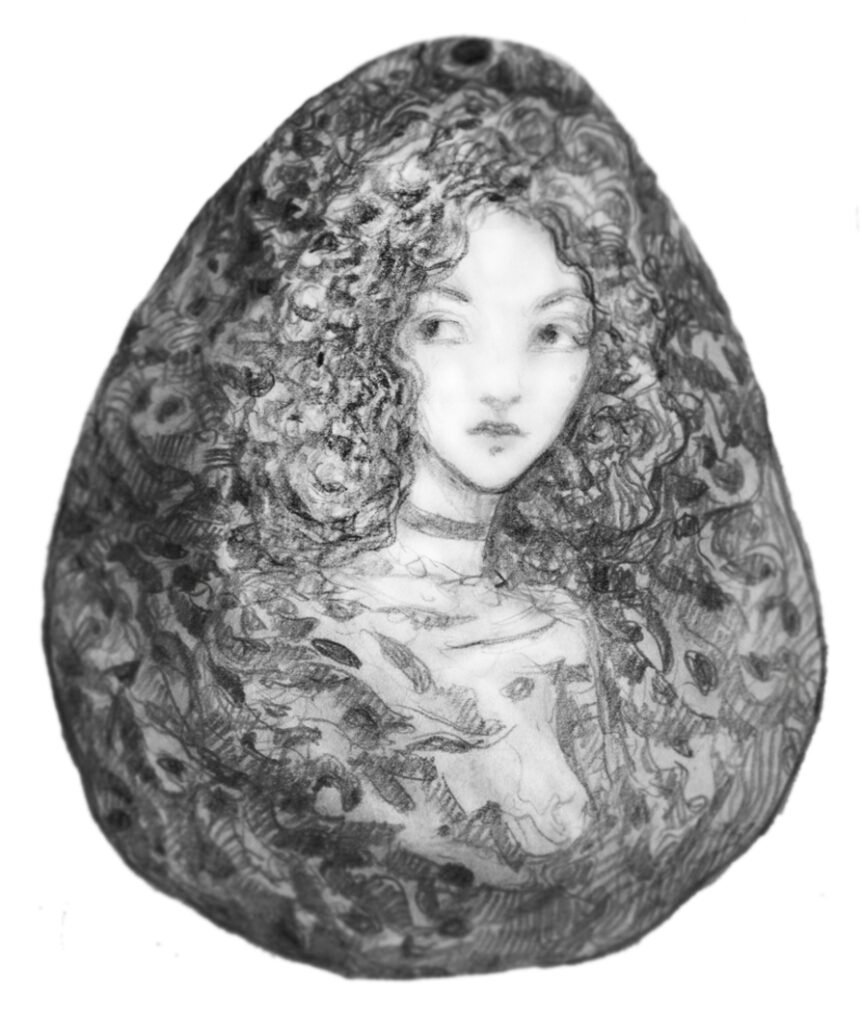
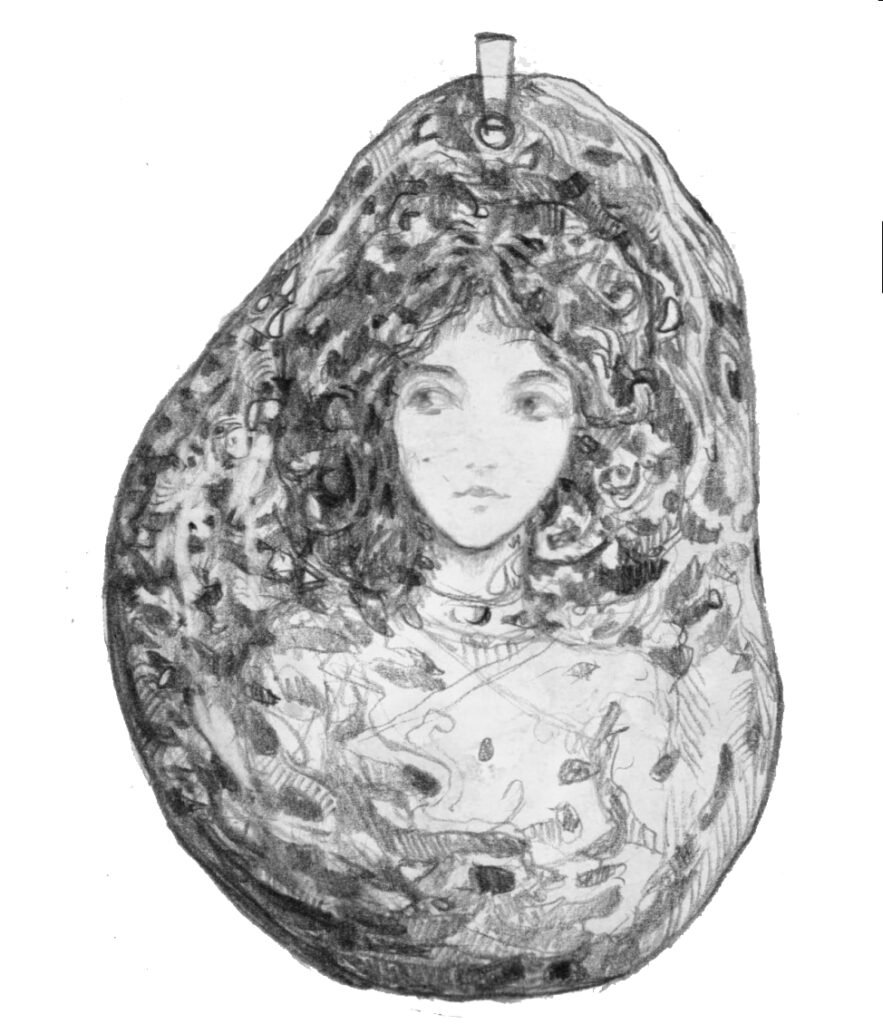
Margarita Nai (17 November 900–…)
Margarita was a siren girl of the blood of Oskold Nai, a spirit-rykar. Her father possessed a great white voice, yet in temperament he was nothing like the usual spirit-singer: he was decidedly short of modesty, gentleness and meekness, and had instead a furious surplus of appetite for revelry, adventure, drink and wandering. A spirit-rykar could reach the Great Expanse only by serving in the engine room of an ark or a walking fortress. But who would admit a wastrel and a drunk into the heart of a war machine, however threefold-mighty his white bass might be? That left the monotonous, injurious work of the quarries, or a monk’s life singing sacred music in the basilisk monasteries. Nai chose the free, despised and brief road. He sang in taverns, drank savagely, could settle nowhere, and wandered through Polonna, Povetta and Stavria. At twenty-six he froze to death in a grey, ice-crusted snowdrift around the corner from a bar with some tropical name and a blinking green palm tree.
Margarita was already seven then. In a parcel envelope she kept three fairly long, heartbreakingly tender letters from her papa, sent on her birthdays after he had run away. Her mother used to read them to her, and they had seemed magical. But now she had diligently learnt to read, and was waiting for the eighth letter so that she could read it herself. The eighth letter never came. Before long, the news of Oskold Nai’s death arrived to explain everything to a child’s heart already broken. Her father’s letters—the best efforts of a muddled head and an affectionate heart—became little Rita’s holy relics: a kind, sad whisper from beyond the grave.
Margarita’s mother taught piano at a music school in Rudra and could also take a drop too much, though without making a spectacle of herself. All her spectacles belonged to those brief years with Nai, when he still managed to keep himself in hand now and then, and she sometimes saw his sober eyes and heard his sober voice ring out like a bell. After her runaway husband’s death, she twice began living with other men. But her irrepressibly caustic nature did not lend itself to lasting relationships, and both the headmaster and the local constable, pierced in innumerable places, fled the mocking ‘witch!’
Before the war, mother and daughter moved to Guernica and settled in a little house at the end of Maple Street—small, but at least their own. By then Margarita’s siren voice had begun to emerge, entitling her to a place at the sirens’ school in Koryazhna. Guernica was the nearest place where Tamara could find work at a music school. So Margarita now wore the uniform of a venerable institution and had a chance, however slight, of becoming a Stavrian tsarevna. She came home to her mother in Guernica only for the holidays.