Matron houses and widows’ joys.
The tribe of the oratayas comprises three hundred and forty-two matron lines, descending from the womb of Rhea, the goddess Iona’s only daughter. In the past four hundred years, not one orataya family name has vanished or been added. Each line—a matronate—owns an estate protected by the pantsar’s authority. Some matronates hold richer lands, others poorer, but on the whole all are roughly equal. It would be improper for any to live in straitened circumstances beside the others; worse still for any to flaunt their wealth, for the sisters stand for fairness.
From the age of twelve, before their first blood, oratayas enter the matron houses to be brought up. A girl is believed to need her elder sisters, tutors, mamas, doves, mothers, little widows, and old women around her when she meets her first woman’s moon.

At seventeen, the girls undergo their spring initiations and are released into the world. At the beginning of adult life, the best course is thought to be a secular education useful to the matronate. Training as a physician is the most honourable and noble calling.
A pregnant orataya returned beneath the roof of her ancestral house at the very earliest stage. Under her sisters’ attentive care, with morning prayers and second suppers, she would carry the child for seventeen long months. If the birth went well and the orataya survived—which was far, far from certain—the young mother spent the next three years in the house too, until her child took its first steps. With the larger oratay boys, the wait could be four or even five years.
Only with her infant somewhat grown did the orataya return to her well-rested husband.
Another six or seven years were allowed for the recovery of her womanly health, after which she might brave a second pregnancy. To bear three children is considered a great feat, worthy of the ancient sisters’ memory. Such a broad-hipped mother might even aspire to the matronship. Usually, however, the liveliest, most active sisters crowded nearer the front of the queue for the ancestral throne: those who were barren or had been widowed young. At the back, or standing quite apart, were the doves, virgins for Basilisk’s sake. These were generally ill-favoured, too heavy and too enormous, and moreover most were either ill-tempered or excessively meek. Neither a fool nor a saintly soul could manage a matron’s lot: too many delicate family matters and weighty household questions had to be settled.
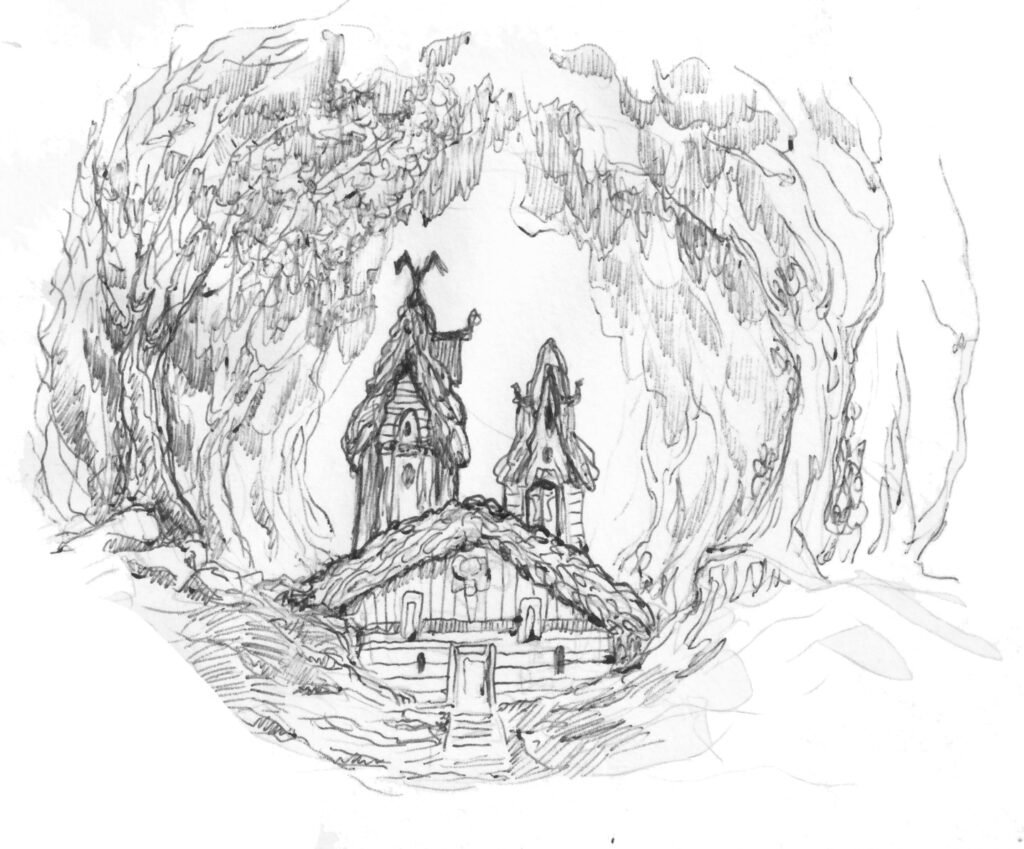
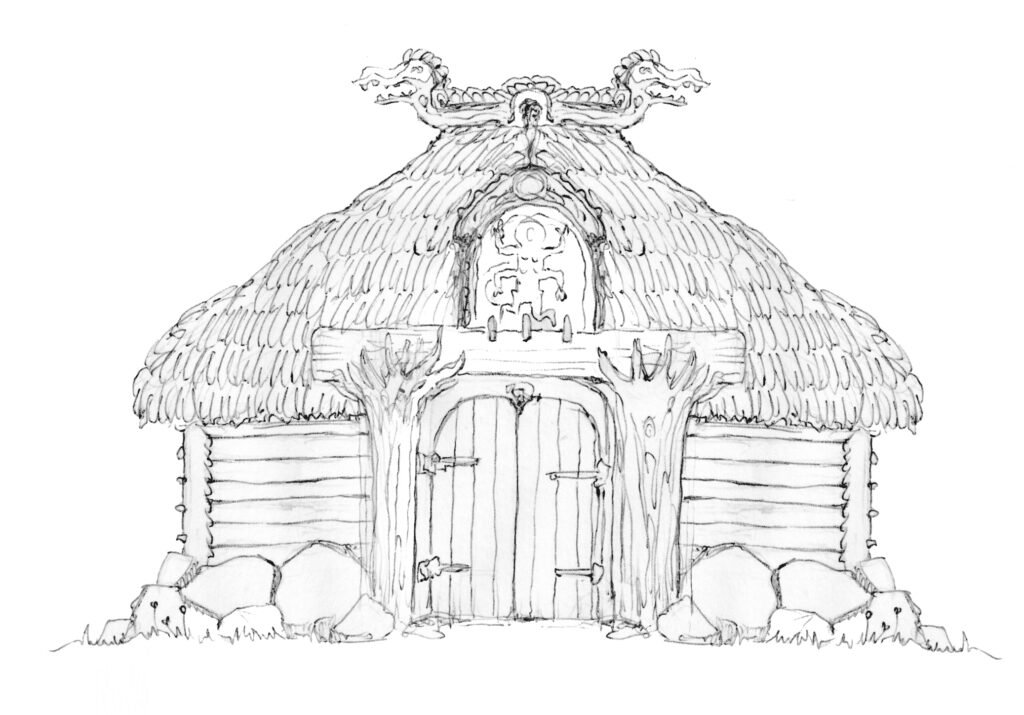
Matron houses are traditionally built beside still water, ideally on an island in a forest lake. Still water can be consecrated to protect against evil spirits and wicked husbands.